
Welcome to the 5 Questions Series. Each week, I’ll ask five questions of some of my favorite authors, editors, publishers, and other industry professionals. This week, I’m talking with Jessica Waite.
Of course, everyone is talking about your incredible memoir. Can you talk a little about the feelings around writing that book?
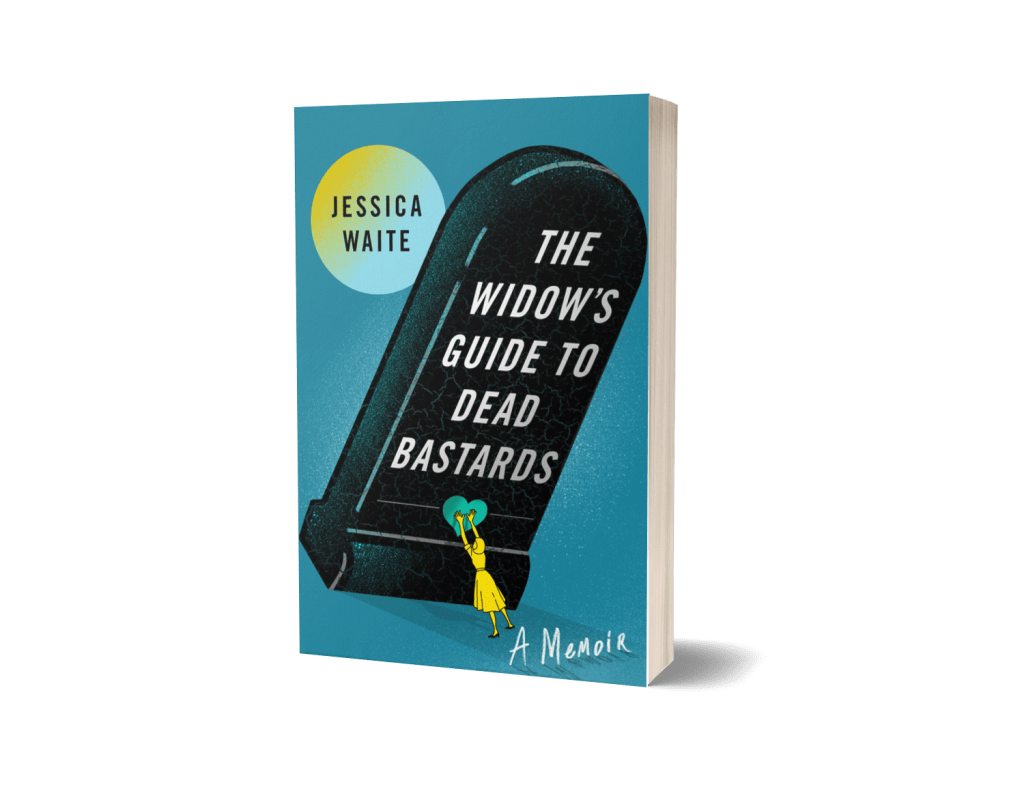
Oh yes, the tornado of feelings. . . I experienced every strong emotion countless times while writing The Widow’s Guide to Dead Bastards. It’s a grief memoir, with a significant element of betrayal, so the memories were bound to stir things up. I cried every time I wrote or edited a painful scene. It was terrible for eye-puffiness but turned out okay because literary agents have a saying: “If we cry, we buy.” Allowing my tears to flood the writing created an emotional current that couldn’t have come any other way.
Re-experiencing my emotions in order to transmute them into a story ended up being healing for me. Writing this book would have been worth it even if I’d never found an agent or traditional publisher.
What was your publishing journey?
Early on—like, seven years before the book sold and probably two years before I had a complete first draft—I attended a workshop where a former executive editor at Random House expressed faith in my story. I can’t overstate the importance of that bedrock of belief. I held onto it like a tether every time I wanted to quit writing.
That early reader was my book’s first champion, but many other people got behind the manuscript as time went on. I built my book proposal around demonstrating word-of-mouth momentum (because word-of-mouth is the holy grail of book marketing). My agent sold The Widow’s Guide manuscript to Simon & Schuster in about eight days. It was a lightning-fast deal, many years in the making.
You mentioned something to me about the importance of us acknowledging each other as a collective. Can you talk a little more about that?
It takes hundreds of hours of solitary service to write and revise a manuscript. I honour the tenacity and devotion required to perform such a feat.
Still, there’s a weird disconnect between the image of an author as the sole creative force behind their work, and the fact that collective effort goes into creating any book. Beta-readers, editors, research assistants (including AI), mentor texts, cover designers, comp authors, booksellers, reviewers, pizza deliverers (who has time to cook when you’re in the zone?)…at every stage of the process writers are interdependent, even if our collaborators are not immediately visible. Though it can feel like a solo project, no one actually writes a book alone.
Mutual support makes each of us more resilient, and acknowledging it helps frame “success” and “failure” as collective processes rather than laying all the glory or blame on individual authors.
Whether we join a critique group, act as a “good literary citizens” (in whatever ways feel appropriate), or simply read and promote lots of books, recognizing the interdependent nature of our endeavour makes it easier to contribute to the overall health of the creative ecosystem we share.
What advice would you give to someone looking for their writing community?
Take a class or join an online group. When you click with someone, take a chance and ask if they’d like to meet every couple weeks or so. A strong and supportive writing community can be built on trust, generosity, respect and commitment. If it feels like a burdensome chore, something needs to be tweaked. It may take a little trial and error but your peeps are out there and you’ll find them if you try.
What is the weirdest research rabbit hole you’ve ever fallen into?
Not “research” but I become bewitched watching linocut printmakers peel their prints off the blocks, revealing the artwork. Magic! Where does the time go?
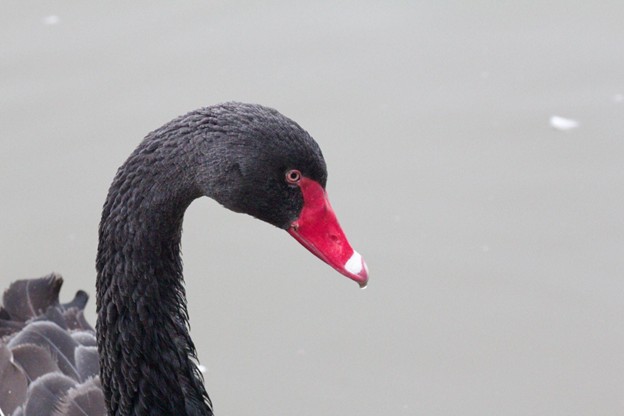
Bonus question: Have you ever taken a picture of a weird bird?
Black swan. Weird only because I’ve never seen one before. I love how the neck feathers look like dragon scales, up close.
Find Jessica’s website here
 Finnian Burnett
Leave a comment