
Welcome to the 5 Minutes Series. Each week, I’ll ask five questions of some of my favorite authors, editors, publishers, and other industry professionals. This week, I’m lucky to sit down with Lorette C. Luzajic, artist, journal editor, and writer.
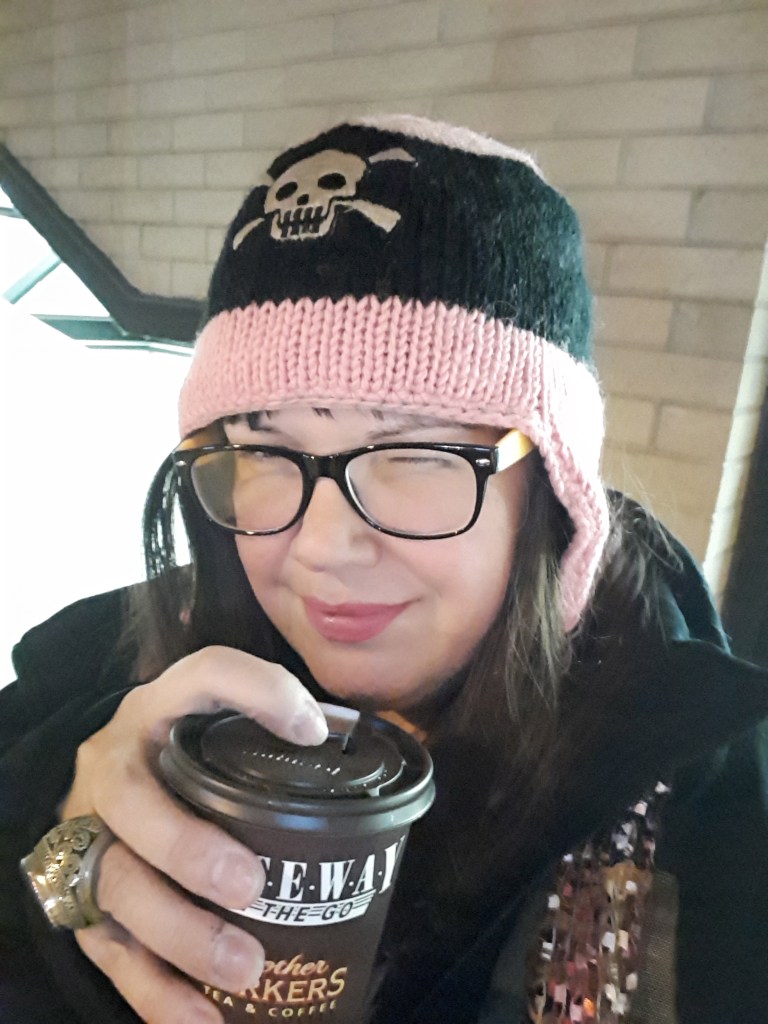
Thank you for agreeing to meet with me. The first thing I have to ask is what exactly is ekphrastic writing and what draws you to the concept?
Thanks so much, Finnian, it is an honour!
Ekphrastic writing is an ancient aspect of literature going back to the epic poems in 700 BC. The word itself means to describe, and the idea was originally to describe a work of art so that someone who wasn’t present could “see” it. This became an art form of its own, writing poetry about art. Eventually, there were also short stories and even novels, too.
In contemporary times, the ekphrastic tradition is no longer limited to describing the art. The Ekphrastic Review, now more than eight years old, defines ekphrasis simply as “writing inspired by art.” It doesn’t have to be about the art at all, or it can be completely focused on it, or a mixture. Today some prefer the traditional way, and others find “standalone” work superior. This means you don’t need the art to appreciate the poem or story. I love both and write both, depending on the muse that day.
My penchant for reading and writing ekphrasis blooms naturally from working as both an artist and a writer. But perhaps its roots are even deeper. I was always writing, since childhood, and I was always passionate about art history. Creating my own art came from that passion, ultimately. I was profoundly moved by early visits to museums and fascinated by the romantic and tragic stories of artists. I was also curious about the world, and art seemed the most interesting way into history and culture. I found a book called The Poet Dreaming in the Artist’s House (Emilie Buchwald and Ruth Roston) when I was a teen, brimming with poems on Hopper and Klee. It ignited my curiosity about more art and encouraged me to think more deeply and poetically about what I was looking at. Writing is thinking, and writing about art has been the best education in looking at art. The flip side is the way art will inspire new and unexpected stories, because your emotional engagement with it combined with the origin stories of the maker and their culture always lead to more memories, more experiences, and more possibilities.
What advice would you give to people who have never tried ekphrastic writing to get started?
Just plunge in. Leave your expectations and preconceived notions behind you, and just connect with the art. Find a small detail- a colour, an object in the background, the emotion you feel, and use that as a way in. Start with works you have a powerful connection to. There are probably a few paintings you’ve loved all your life. You can learn a lot about the back story but start first by looking. You’ll very quickly start noticing more details, more connections, in both art and in the world around you. Go to a museum alone, planning to spend a few hours. Take a notebook, and make use of the benches to relax, jot down anything that comes to mind. Soon you will be overflowing!
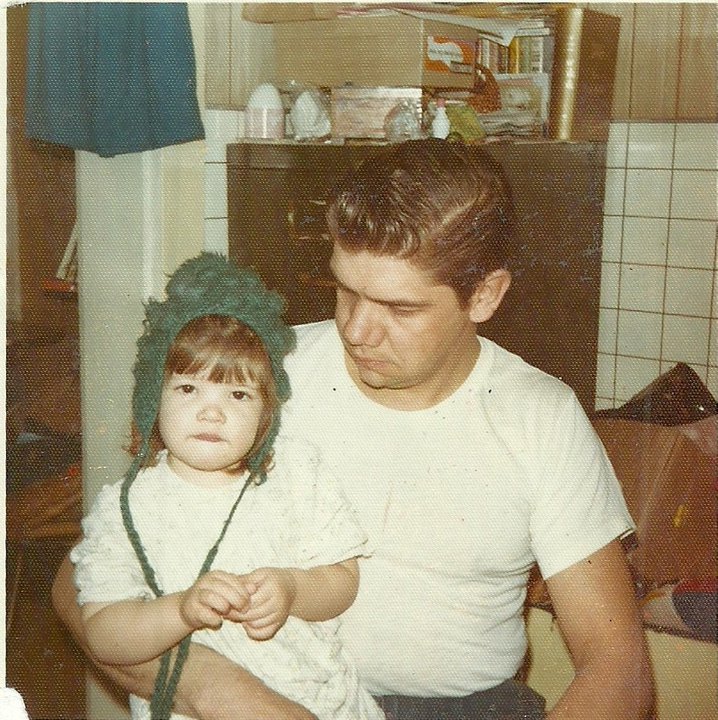
Art is essential to human joy, in my opinion. What ways would you recommend people bring more art into their lives?
I often say that art is enchanted. On one level, art is everywhere, and it is simply paint on paper or a picture of a fruit bowl or lake. But there is something magic operating whether we take much of an interest in it or not. In every part of the world, we build shrines to art, housing it for guests from other parts of the world to experience. We preserve old paintings and bowls- they can be more valuable than diamonds and rubies. Why? It’s something we can’t always explain. But it has something to do with communication with other people, across time, from other cultures. We are in contact with someone and bearing witness with them. We are connecting to each other.
How do you balance running The Ekphrastic Review, your own art, your own writing, and all the various chores and trials of life in general?
Balance? Ha! When I started TER, it was just called Ekphrastic and I had no idea it would blossom into a worldwide community of talent and learning. I thought I would post a few pieces I found interesting and maybe someone would send a few of theirs. As the journal began growing, I realized how much time it would take away from my own art and writing. But I had always told people that being a gallery or a collector of art was more important than being an artist, because they supported and shared many artists. I felt that taking a step back was my fate, and that holding space for other creatives was something essential here. But the inordinate amount of time needed to manage the journal gives back in spades, as I have found out. I have connected to so many communities who care about art and literature. It has led to so many opportunities for collaboration and enrichment and growth. It has meant so much to be able to inspire others, too. When someone says they have discovered an artist through the journal or started to find their voice in poetry, I feel as if my purpose has been realized. When I got sick with breast cancer, I had dozens of people I’ve never even met in person sending me notes, prayers, and rallying for me. People involved with the journal came on board to help manage and grow it while I was limited. This is perhaps where the balance is- discovering the meaning of community and knowing that we are in this together.
If you could have one superpower, what would it be and why?
To read faster!

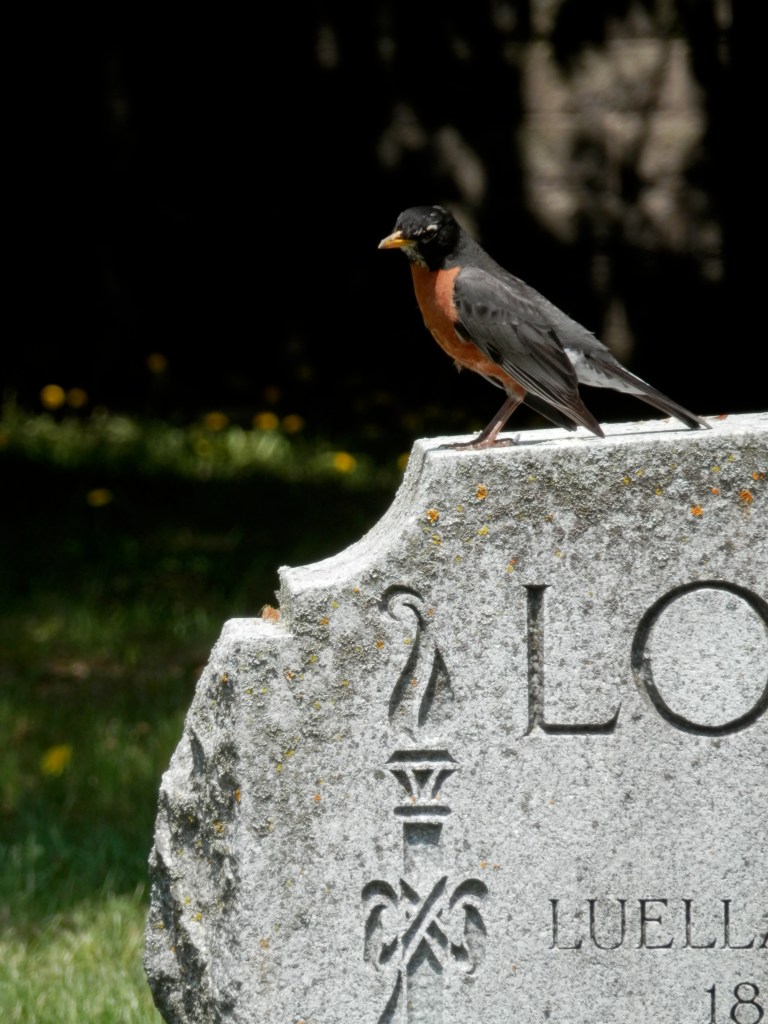
Bonus question: Have you ever taken a picture of a weird bird?
I have a picture of a robust robin perched on top of a tombstone. It has always felt like hope to me
Lorette C. Luzajic can be found on the web as follows:
The Ekphrastic Review
Mixed Up Media (my web site)
The Rope Artist, latest book.
 Finnian Burnett
Leave a comment